
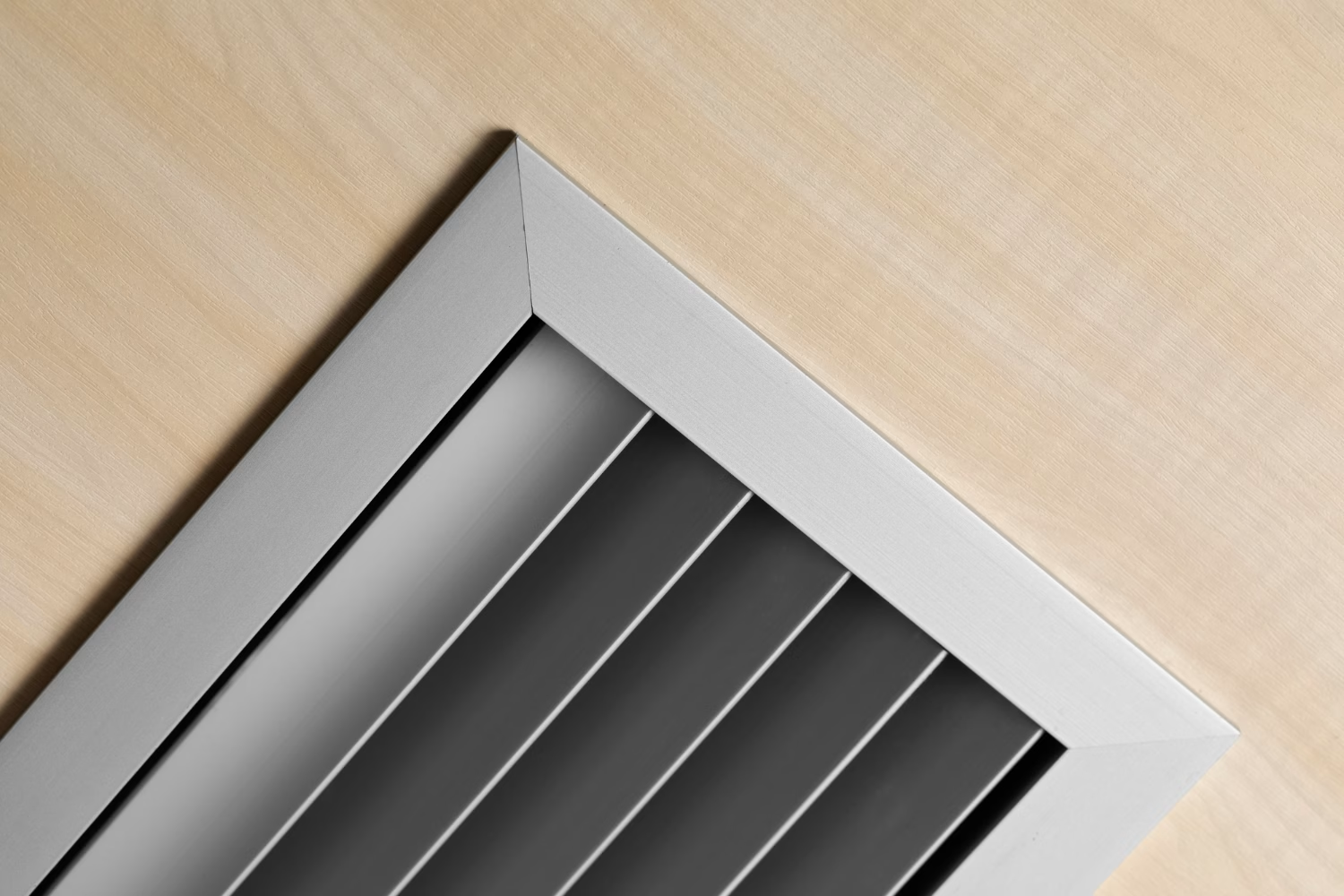


Replacing an old ceiling vent cover seems like a simple home improvement task. Nonetheless, the inappropriate size may create visible gaps, unevenly cover the opening, or be hard to install.
A seemingly correct cover might not even fit into the existing duct or mounting points. Such problems may result in unnecessary costs and time wastage, particularly when one desires to replace something immediately.
These problems can be prevented by checking your current opening first before purchasing a new cover. Correct shape, accurate measurements, and compatible mounting features can assist you in locating a suitable option. You should also consider airflow needs and the appearance of your ceiling to ensure the replacement works well.
These five facts will assist you in selecting the correct square ceiling vent cover to fit your existing opening.
1. Measure the Existing Ceiling Vent Opening Accurately
In the event of purchasing ceiling vent covers square, measure the opening that is there and take a replacement. Your old cover may have an outer frame bigger than the duct opening. As a result, a poor fit may be caused by measuring the wrong area.
Assuming it is safe, take off the old cover and measure the opening with a tape measure. Note the width and the height, although the opening may appear square.
In case the edges do not seem straight, measure several points to verify the dimensions. Store these measurements in a place where you can access them later to match them with the product specifications to make a purchase.
2. Check the Required Vent Cover Dimensions

Once you know the opening size, compare it with the dimensions of each replacement cover. Product sizes may refer to the duct opening or the outer frame. Check these details carefully to avoid buying the wrong size.
For example, a square vent cover may have a wider frame than the opening. This helps hide the cut edges of the ceiling and gives it a neat finish. However, the frame must sit flat against the surface.
Before buying, review the manufacturer’s sizing guide. If the measurements are unclear, contact the supplier to confirm which size will fit your opening.
3. Match the Cover Shape and Mounting Style
A square cover might appear to be the logical solution to a square ceiling hole, but shape is not the only aspect of the fitting. You must also verify the method of connection of the cover to the ceiling or ductwork. Various designs can employ screws, hidden fasteners, clips, or other attachment systems.
Begin by checking out the current installation. Identify screws, mounting brackets, or other points of attachment that can influence the replacement. Then compare these features with the specifications of the new cover. An analogous mounting can make the installation process easier, though the size and fixing locations should be compatible.
Ceiling material and available clearance should also be taken into consideration. The cover that fits one type of installation might not fit another surface. When you need to replace it with new fixings, ensure that they fit your duct system and ceiling. This control can avoid unnecessary drilling or modifications.
4. Confirm Airflow Requirements and Vent Compatibility

A replacement cover should fit the opening without interfering with the ventilation system. Before buying, identify whether the existing vent supplies conditioned air or serves as a return-air grille. This distinction matters because the system’s airflow requirements may differ.
Next, check whether the cover has adjustable blades or another mechanism for directing airflow. Some square grilles allow you to change the direction of the air, which can help suit the layout of a room. However, adjustable blades do not automatically make every cover suitable for every duct.
Pay attention to the grille’s open area and any airflow information provided by the manufacturer. A cover that restricts airflow too much may affect system performance. Therefore, avoid choosing a replacement based only on appearance or outer dimensions. If you are unsure about the required airflow capacity, consult an HVAC professional before making changes.
5. Choose a Square Vent Cover That Suits Your Ceiling Design
After confirming the fit and technical requirements, consider how the replacement will look in your room. A vent cover remains visible on the ceiling, so its shape, finish, and proportions can influence the overall appearance of the space.
For a clean, understated look, a matte-white cover can blend with many white ceilings. Other finishes may suit rooms with different color schemes or design styles. Consider the surrounding lighting, ceiling paint, and nearby fixtures when comparing options.
Material is another factor worth checking. Aluminum covers can provide a lightweight option with a modern appearance, but you should review the finish and construction details of each product. Also, check the installation instructions and cleaning requirements to understand how to maintain the cover over time.
Finally, compare the product’s available sizes with your recorded measurements. A well-matched finish is useful, but it should never take priority over proper dimensions, secure mounting, and suitable airflow.
Conclusion
Picking the right square ceiling vent cover starts with understanding your existing installation. Measure the actual opening, compare the correct product dimensions, and check the mounting arrangement before choosing a replacement.
Then confirm that the grille suits your ventilation system and allows appropriate airflow. Once these practical requirements are covered, you can select a finish that complements your ceiling.
Taking these steps before purchasing helps reduce fitting problems, avoid unnecessary returns, and achieve a neat result. A careful check now can make your replacement project simpler and help your new vent cover fit as intended.