
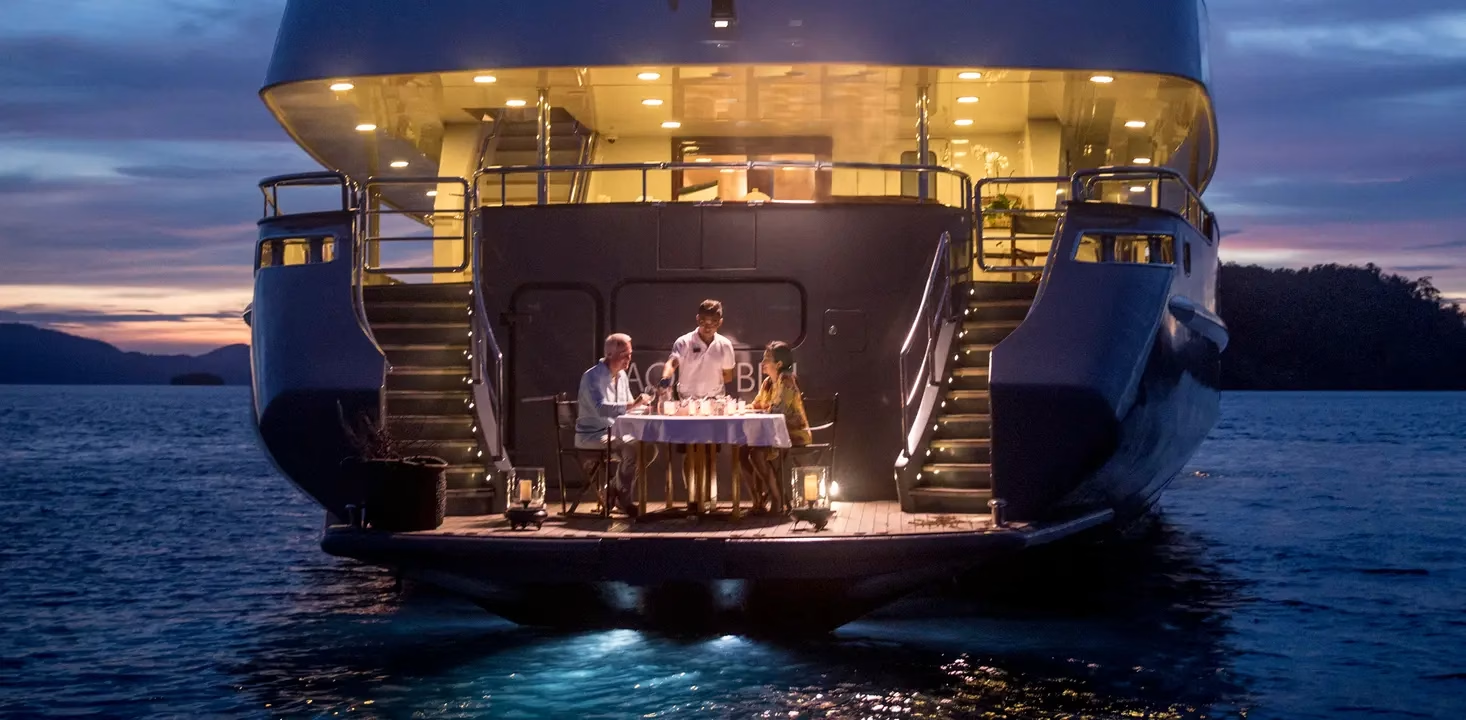


Fourteen years of beach resort vacations and my kids still ask for the pool before they ask about the ocean. That is the moment I started pricing alternatives. Last winter our extended family of nine, ages 7 to 74, stopped arguing about the same three all inclusive resorts and spent two weeks hopping islands by boat instead. Not a big cruise ship. A small one.
If you have been circling the same shortlist of beach resorts every year, you already know the tell. Your kids can navigate the pool bar blindfolded, and your parents have stopped taking photos. A small ship sailing between the islands of Indonesia is the reset button for families who feel that itch. Booking indonesia island cruises means swapping the swim-up bar for snorkel sites, night markets, and volcano hikes you cannot reach from a resort lobby. Nobody hands you a plastic wristband. That alone was worth the airfare.
Here is the honest version of how we chose, what we got wrong, and what your family should weigh before you book anything.
Why this trip fits a family better than it fits a honeymoon
Small ships sell themselves to couples, but I think they are wasted on honeymooners. The format is built for groups with mixed ages and mixed energy levels. When you sail with roughly a couple dozen guests, shore excursions split into a fast group and a slow group.
My father took the birding walk with a guide who knew the calls of every kingfisher on the island. My daughter took the same trail at half the pace and still saw the hornbills. A 4,000 passenger ship cannot offer that flexibility. The larger vessel also cannot dock in the small bays and villages where the interesting stuff actually happens.
And this is the part I did not appreciate until we were there: Indonesia sits at the center of the marine world’s biodiversity. According to the Department of the Interior, the Coral Triangle region holds the highest coral and reef fish diversity on the planet. Your kids will snorkel in water that looks like a screensaver, and they will remember it longer than any lazy river.
The layout math nobody does before booking
Cabin configuration is where family trips quietly fall apart. Most small expedition vessels hold 30 to 50 guests in a handful of cabin categories, and the ships were often built for couples. That means you should ask three specific questions before you put down a deposit.
- Which cabins connect internally, and can you book them as a pair?
- How far apart are the cabin decks from the dining room? My mother has a bad knee, and deck four to the dining room three times a day added up on day nine.
- Does the operator offer a triple or family cabin, or will you need to split across two rooms?
On our ship, my brother’s family took a pair of connecting cabins on the lowest passenger deck, which put them closest to the waterline and, unexpectedly, closest to the best seats in the lounge. My wife and I paid more for a slightly larger cabin one deck up and spent maybe forty waking minutes in it per day. On this kind of trip, you pay for beds, not square footage. If your family can tolerate a smaller room, put the money into excursions instead.
The itinerary question that actually matters
Ask any family that has done both: is the route or the ship the deciding factor? For a first trip, I say the route, and I’ll defend that. Two operators can run near identical ships down the same stretch of coast, and the two weeks can feel completely different depending on which islands you actually stop at. Look for a few anchors on any itinerary you’re considering.
Komodo National Park tends to be the headline stop, and it earns the billing. UNESCO lists Komodo National Park as a World Heritage Site, protecting both the dragons and the surrounding marine habitat. My son, who is 11 and allergic to guided tours, spent the entire walk asking the guide questions. My wife declared the pink beach halfway through the day the single best hour of the trip.
Beyond Komodo, look for a mix. Are there hiking stops, or is it almost all water? Is there at least one village or market visit so your kids see how people actually live in the region, rather than just how the resort side looks? Does the itinerary build in a slower day after a heavy day of excursions and late dinners? That last one matters more for grandparents than for kids. We hit our wall exactly once, after two consecutive early starts, and one relaxed morning with a beach swim fixed everything.
What a shore day actually looks like
This is where family expectations get calibrated wrong. A small ship shore day is not a resort excursion with a bus and a buffet line. It runs something like this, based on ours.
- Breakfast early, zodiacs loaded by 8:00. Bring a wet bag and dry bag, not a tote.
- The site briefing happens the night before. Go to it. The naturalist who runs the briefing is also the person who knows where the current is calm.
- Snorkel first, hike second on a hot day. Your kids will thank you.
- Back on board for lunch, a rest hour, then a second landing in late afternoon.
Your kids need to be comfortable with ocean conditions. Small ships move. The National Weather Service maintains basic guidance on marine weather concepts, and it is worth a read before you sail, because your sense of what counts as rough water will get redefined. Open water in the region is a real thing, not a brochure disclaimer. The good news is that expedition crews track conditions and adjust anchorages accordingly. Ask them. They answer.
What I’d do differently
Two mistakes, both mine. First, I overpacked. Half of what we carried stayed in the bag for two straight weeks. Light clothes, a rain shell, reef safe sun protection, and one decent outfit for a nice dinner are all the wardrobe you need. Second, I tried to keep our usual resort schedule of late dinners and sleeping in. That does not survive 6:30 breakfasts and a real hike. Shift your rhythm a day before you board. My family fought the early wake-ups for two mornings and then slept beautifully the rest of the trip.
The other thing I would do is talk to my kids before we left about distance, currents, and reef etiquette. Sit them down and explain why touching the coral matters, and why it will be years, not weeks, before it grows back. Our older two took it seriously. Your family will too if you give them the reasons instead of just the rules.
So here’s where I land. If your family is circling the same beach resort shortlist for the fourth year in a row, the answer probably isn’t a nicer resort. It’s a small ship. The hard part isn’t finding a good itinerary. It’s picking one and getting the whole family to commit, grandparents included, before the cabins you want are gone. What’s the one thing holding your family back from booking something outside the pool?